Chiropractic Benefits for Child Athletes: What Every Sports Parent Should Know
November 12, 2026
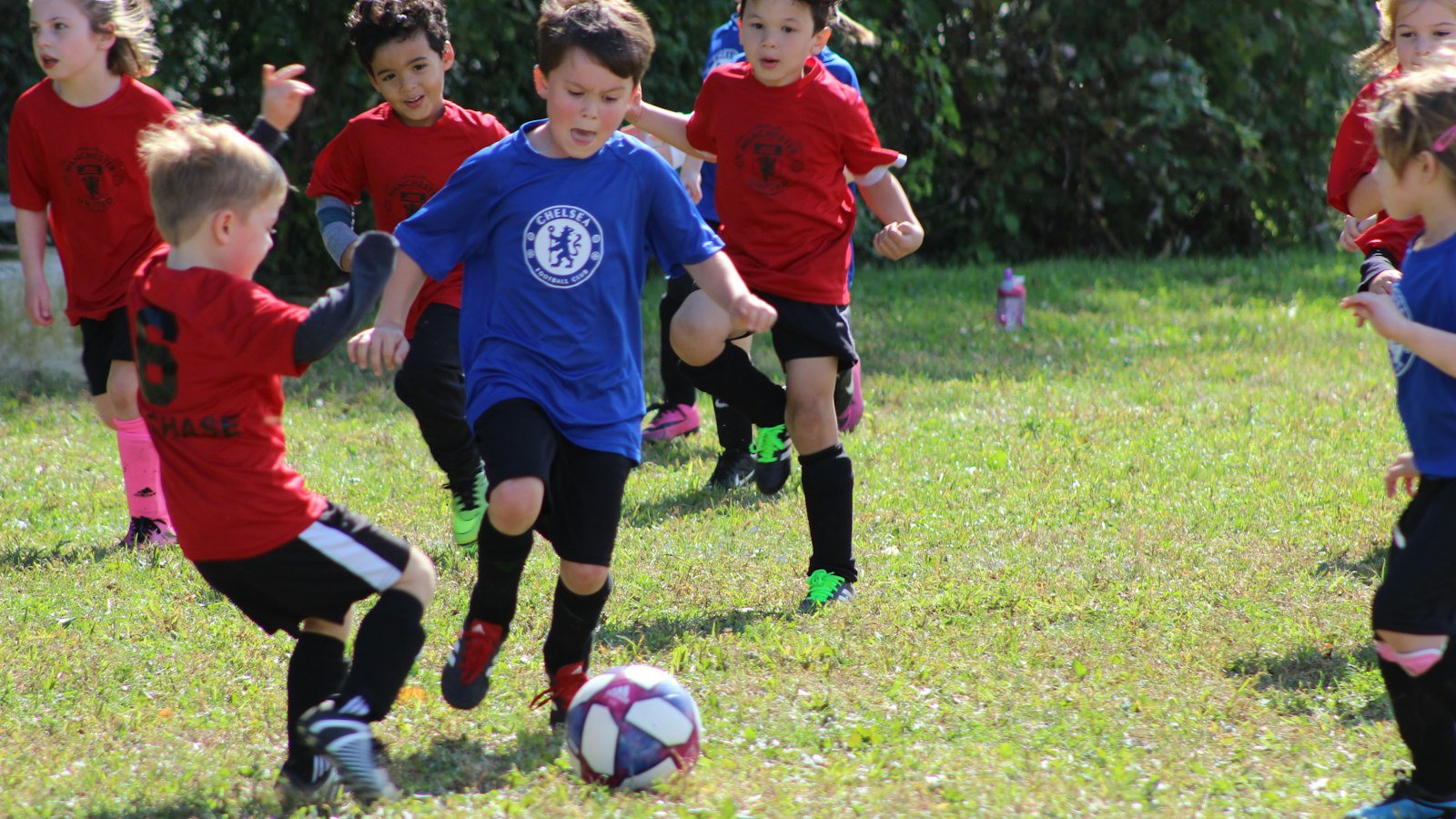
Youth sports have changed. The days of kids playing multiple sports casually through the summer and switching to another activity in the fall are increasingly replaced by year-round training, specialized single-sport programs, and competitive schedules that would challenge many adults. By the time a child reaches middle school, it is not uncommon for them to have been playing organized, coached sports for six or seven years - putting thousands of hours of training stress on a body that is still actively growing.
The physical demands of this environment are real. And they create a window of opportunity that too few families take advantage of: caring for the nervous system and musculoskeletal structure of a young athlete proactively, before injury, before the cumulative load turns into a problem.
This is where chiropractic care for child athletes comes in - not as a last resort when something hurts, but as an ongoing part of how a young athlete trains, recovers, and performs.
Why Growing Athletes Are a Special Case
Adult athletes have fully developed bones, joints, and nervous systems. When they sustain an injury or accumulate stress, the body responds according to established patterns. Recovery is predictable, and the structural framework is mature.
Child athletes are fundamentally different. Their bones are still forming around growth plates - areas of soft, actively developing cartilage at the ends of long bones. These growth plates are the most vulnerable parts of a young athlete’s skeleton. They are weaker than the surrounding bone and ligament, which means forces that an adult body absorbs as a minor muscle strain can damage a growth plate in a child.
Growth plate injuries - including the specific type called Osgood-Schlatter disease at the knee and Sever’s disease at the heel - are among the most common overuse injuries in young athletes precisely because of this vulnerability. The repetitive loading of sport on a developing skeleton creates risks that require specific, age-appropriate care.
At the same time, the nervous system of a young athlete is still maturing. The motor pathways that coordinate movement, the proprioceptive signals that allow the body to sense its position in space, the autonomic regulation that governs recovery and stress response - all of these are actively developing through childhood and adolescence. How well the nervous system functions directly influences how efficiently a young athlete moves, how quickly they recover, and how resilient they are to the demands of competition and training.
The Nervous System Foundation of Athletic Performance
Most sports parents think about strength, speed, skill development, and conditioning when they think about athletic performance. These are all important. But beneath all of them is the nervous system.
Movement begins with the nervous system. A clean muscle contraction requires a precise nerve signal. Balance depends on accurate proprioceptive input from joints and muscles feeding into the brainstem and cerebellum. Reaction time reflects how quickly the nervous system can receive a signal, process it, and produce a motor response. Coordination - that quality that separates technically skilled athletes from raw ones - is entirely a nervous system function.
Recovery is also a nervous system function. After intense training, the body needs to shift from sympathetic (stress/activation) mode into parasympathetic (rest/recovery) mode in order to repair tissue, regulate inflammation, consolidate motor learning, and restore energy reserves. Athletes who cannot make this shift efficiently - who stay stuck in sympathetic dominance after training - recover more slowly, adapt more poorly to training stimuli, sleep worse, and are at higher risk of overtraining and injury.
A nervous system that is operating under interference - because of spinal stress, subluxation, or accumulated postural and mechanical load - cannot do any of this as well as one that is free of that interference. This is the core argument for chiropractic care in child athletes: not that the athlete is hurt, but that their nervous system is worth optimizing.
Specific Chiropractic Benefits for Child Athletes
Injury Prevention
Chiropractic adjustments maintain proper joint mechanics and spinal alignment throughout the training year. When joints are moving correctly and the spine is free of stress patterns, the body absorbs and distributes force more efficiently. This reduces the concentrated loading on individual structures - which is precisely what causes overuse injuries over time.
Proprioceptive function - the nervous system’s ability to sense joint position and generate automatic corrective responses - is also improved when spinal interference is reduced. Better proprioception means the body catches itself before a misstep becomes a sprained ankle, or before a poor landing pattern becomes a knee injury.
Faster Recovery Between Training Sessions and Competitions
One of the most consistently reported effects of chiropractic care in athletes - at every level - is improved recovery. The physiological mechanism is rooted in autonomic nervous system balance: adjustments that reduce sympathetic overdrive allow the body to shift into the parasympathetic state where recovery actually happens.
For child athletes navigating heavy competition schedules, this is meaningful. A young swimmer competing in back-to-back meets, a gymnast training six days a week, a soccer player moving from club season directly into school season - these athletes are asking their bodies to absorb a heavy recovery load. Care that helps the nervous system make that recovery shift efficiently is a genuine performance advantage.
Better Sleep Quality
Sleep is when athletic adaptation happens. Human growth hormone - critical for tissue repair, muscle development, and bone health - is primarily secreted during deep sleep stages. Cognitive and motor skill consolidation, which turns practice into permanent skill, happens during sleep. And the immune and inflammatory regulatory processes that protect against overuse injury are most active during the overnight recovery window.
Young athletes who sleep poorly are not adapting as effectively as those who sleep well, even when their training is otherwise identical. The connection between chiropractic care and improved sleep quality - through improved parasympathetic nervous system function and reduced cervical spine tension - is one of the most commonly noted secondary benefits families report.
Improved Movement Efficiency and Coordination
When the spine is well-aligned and the nervous system is free of interference, the motor signals that drive movement are cleaner and more precise. Movement patterns become more efficient. The coordination that coaches are trying to develop through drill and repetition builds on a nervous system that is fully available to encode those patterns.
For young athletes whose sport requires high levels of technical skill - gymnastics, swimming, baseball pitching, volleyball, tennis - this nervous system optimization supports the learning process in a way that is distinct from physical strength or conditioning.
Management of Overuse and Growth-Related Complaints
Conditions like Osgood-Schlatter disease (pain at the tibial tubercle below the knee), Sever’s disease (pain at the heel), and Little League elbow are almost universal experiences for young athletes in certain sports. These are overuse injuries at growth plate locations, and they are often managed by simply telling the athlete to rest until the pain goes away.
Chiropractic care addresses the mechanical and nervous system factors that contribute to these conditions. Proper alignment of the lower extremity biomechanical chain reduces the specific loading forces at the growth plate sites. Adjustments to the lumbar spine, hip, and ankle can meaningfully reduce the strain transmitted to the knee in Osgood-Schlatter cases. These conditions often respond well to chiropractic care combined with appropriate load management - faster and more completely than rest alone.
Concussion Recovery Support
Concussion is a nervous system injury, not purely a structural one. The post-concussion period involves dysregulation of the autonomic nervous system alongside the well-known symptoms of headache, brain fog, light sensitivity, and mood changes. The upper cervical spine, which is often stressed in the same impact that causes a concussion, plays a direct role in brainstem function and autonomic regulation.
Chiropractic care - particularly specific, gentle upper cervical work - is increasingly recognized as a component of comprehensive concussion management. It is not a primary treatment for the acute concussion itself, but it supports the nervous system’s ability to regulate and recover during the post-concussion period. Dr. Travis Howell works collaboratively with families and their medical teams when a young athlete is managing concussion recovery.
What Chiropractic Care for a Young Athlete Looks Like at Howell Chiropractic
At Howell Chiropractic in Davenport, every new patient - including young athletes - begins with a comprehensive nervous system evaluation using Insight CLA scanning technology. This non-invasive assessment measures:
- Heart Rate Variability (HRV): Objective measure of autonomic nervous system balance. For athletes, HRV data tells a clear story about recovery capacity and whether the nervous system is efficiently cycling between training stress and recovery states.
- Neurospinal Stress Patterns: A map of where the nervous system is under the most pressure along the spine - which often corresponds to the areas of the body under the most mechanical stress from the athlete’s specific sport.
- Thermal Imaging: Identifies asymmetries in nerve activity that indicate where compensation patterns have developed.
For young athletes and their parents, this data provides something that symptom-based evaluation rarely can: an objective picture of how the nervous system is actually functioning before an injury forces the conversation. It makes the invisible visible - and gives the athlete and family a real baseline to track improvement against.
Dr. Travis Howell’s care approach for child athletes is proactive and sport-informed. He works with families to understand the athlete’s training schedule, competition calendar, and specific mechanical demands. Care plans are built around those demands - not just treating the current complaint, but maintaining the nervous system and musculoskeletal function that allows the athlete to perform and stay healthy through a full season.
Integrating Chiropractic Into a Young Athlete’s Training Plan
The most effective model for chiropractic care in young athletes is not reactive care triggered by injury - though that is certainly appropriate when injury occurs. The most effective model is maintenance care that is woven into the training year as a consistent element of recovery and performance preparation.
Many families at Howell Chiropractic structure their child athlete’s care around the competition schedule. More frequent visits during high-load training periods - before a major competition, during a tournament stretch, or at the peak of a season. Maintenance visits at reduced frequency during off-season or lower-load periods. Regular progress evaluations to track how the nervous system is holding up under the demands of the athletic schedule.
This is the model professional athletes have used for decades. The difference for young athletes is that their bodies are still developing - which means the opportunity to maintain healthy nervous system function during the developmental years compounds over time. The movement patterns, structural habits, and nervous system baseline a young athlete develops during childhood and adolescence become the foundation for the adult athlete they will become.
Who Howell Chiropractic Serves
Howell Chiropractic serves young athletes of all sports and ages throughout Davenport and the broader Quad Cities region, including Bettendorf, Moline, Rock Island, and surrounding communities in both Iowa and Illinois. Dr. Travis Howell has worked with youth athletes across youth soccer, swimming, gymnastics, baseball, volleyball, basketball, football, wrestling, track, and dance - as well as multi-sport athletes navigating back-to-back seasons.
The practice is family-centered by design. It is common for a child athlete to be in care alongside a sibling, a parent, or the whole family - all within the same nervous system-first framework. Many parents discover the benefits of chiropractic care themselves in the process of bringing their child in.
Getting Started
The first step is a complimentary virtual consultation with Dr. Travis - a free, 15-minute video call where you share your child’s athletic background, any current concerns or complaints, and what you are hoping to address through care. Dr. Travis will give you an honest assessment of whether chiropractic is likely to be helpful and what care would involve.
No commitment is required. If chiropractic is not the right next step for your young athlete, Dr. Travis will tell you that. If it is, you will come away with a clear picture of the process, the care plan, and what it will cost - before any decision is made.
Visit howelldc.com to schedule the virtual consultation. Availability varies, so reaching out directly is the fastest way to get your athlete started.
The foundation of a great athletic career starts with a healthy nervous system. That window is now.